
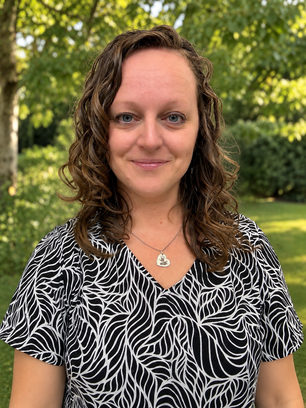
Dr. Juliane Scheder
Dr. rer. nat.
Research associate
Physical Geographer
Coastal- and Quaternary Geology
Tel: +49 221 470 1116
Publications
https://orcid.org/0000-0001-9974-2802
Vita
- Since 2026: Research associate at NIhK, Wilhelmshaven
- 2022–2026: Research associate at the Royal Belgian Institute of Natural Sciences (Geological Survey), Brussels, Belgium. Research: microfaunal investigations for the reconstruction of Holocene relative sea-level change on the Shetland Islands; NORSEAT Project (Storegga and beyond – North Sea tsunami deposits offshore Shetland Islands)
- 2020–2021: Research associate at University of Cologne, Institute of Geography. Research: microfaunal, sedimentological and geochemical investigations, relative sea-level reconstruction, preparation of research proposal
- 2020: PhD at University of Cologne: „The application of microfaunal and sedimentological data for Holocene landscape and sea-level reconstruction on the German North Sea coast.“
- 2016–2019: research associate at NIhK, Wilhelmshaven. Research: microfaunal, sedimentological and geochemical investigations in East Frisia in the course of the WASA Project (The Wadden Sea as an archive of landscape evolution, climate changed and settlement history: exploration – analysis – predictive modelling)
- 2016: research assistant at University of Cologne (Start-up Honours Grant der Graduate School of Geosciences). Research: preparational work for PhD project, microfaunal, sedimentological and geochemical investigations on Spiekeroog island.
- 2011–2015: Master of Science: Studies in physical geography, University of Cologne, Thesis: “Fossil bog soils (dwog horizons) and their relation to Holocene coastal changes in the Jade Weser region“ in cooperation with NIhK, Wilhelmshaven.
- 2007–2011: Bachelor of Science: Studies in geography at University of Cologne, Thesis: “ Mikrofaunistische Untersuchungen im Mündungsbereich der Quebrada Pachingo, Bahia Tongoy (Zentralchile) – spätholozäne Umweltveränderungen und ihre möglichen Ursachen“
Research priorities
- Palaeolandscape- and -environment reconstructions
- Sea-level research
- Micropalaeontology (foraminifers, ostracods)
- Sedimentology
Current research topics
- Rising sea level and former coastlines in North Frisia (SEAFRONT) within research group FOR 5837 TORF – Times of Rise and Failure
- Storegga and beyond – North Sea Tsunami deposits offshore Shetland Islands (NORSEAT)